What to look for when booking a Niagara Falls boat tour from the Canadian side
Few experiences match the feeling of standing on the deck of a boat as it edges toward the massive curtain of water that is Horseshoe Falls. The mist hits your face, the roar drowns out every other sound, and for a few minutes you are inside the power of one of the world's great natural wonders. But the difference between a trip that feels magical and one that feels rushed or disappointing often comes down to a handful of decisions you make before you ever step onto the dock.
Booking a boat tour on the Canadian side of Niagara Falls is straightforward, but the details matter. The season, the time of day, the type of vessel, and even what you wear can change how you experience the ride. Knowing what to check beforehand saves you from surprises and helps you get the most out of the time on the water.
Check the season and operating dates
Boat tours on the Canadian side do not run year-round. Seasonal operation is the norm, with the season typically starting in the spring and ending in late fall, depending on weather and ice conditions. If you are planning a trip outside that window, you may find the docks empty and the boats stored for the winter.
Even within the operating season, the schedule can shift. Early spring and late fall often have reduced hours or fewer departures. Checking the official calendar before you finalise your travel dates is a simple step that avoids disappointment. If you are visiting in April or November, confirm that the tour is running on the exact day you plan to go.
Know which boat you will be on
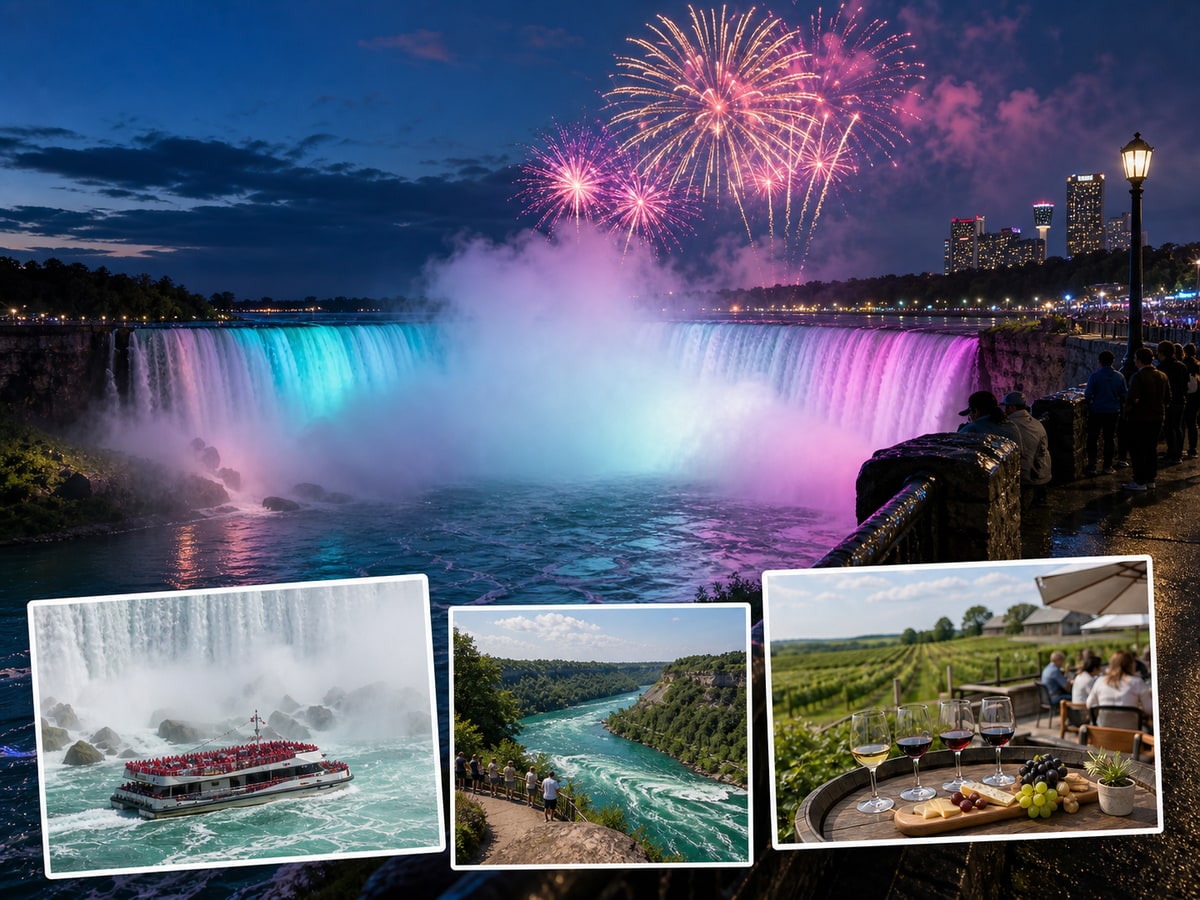
The main operator on the Canadian side is Hornblower Niagara Cruises. Their vessels are the ones you see making the regular trips into the basin below the falls. The boats are designed for the conditions, with enclosed lower decks and open upper decks that give you different views and different levels of exposure to the mist.

It is worth understanding the layout before you board. The upper deck offers panoramic views and a more intense experience, but you will get soaked. The lower deck provides shelter and a different angle on the falls, though the view is partially blocked by the structure of the boat. Neither is better or worse, but knowing what to expect helps you choose where to stand and what to wear.
Look at the departure times and duration
Most tours run on a regular schedule throughout the day, but the length of the ride is fairly consistent. You will spend about twenty minutes on the water, with the boat moving slowly toward the falls, pausing to let you take in the view, and then turning back. The total time from boarding to disembarking is a bit longer when you factor in the queue and the safety briefing.
The time of day you choose matters more than you might think. Early morning departures tend to be less crowded and the light is softer, which can make for better photographs. Midday trips are busier and the sun can create glare off the water. Late afternoon rides catch the golden light and often have smaller crowds, but the temperature can drop quickly, especially in spring and fall. If you are hoping to see a rainbow in the mist, the angle of the sun in the late morning or early afternoon is usually the best bet.
One of the most practical things to check before you book a canadian niagara falls boat tour is whether the time slot you want aligns with the rest of your day. The tour itself is short, but the surrounding experience - parking, walking to the dock, waiting in line, and drying off afterward - can take up a couple of hours. Plan accordingly so you are not rushing from one attraction to the next.
Understand the weather and water conditions
The boat tours run in most weather conditions, but heavy fog, thunderstorms, or high winds can cause delays or cancellations. The operators monitor the conditions closely and will not take the boats out if it is unsafe. If the weather looks questionable, check for updates before you head to the dock.
Even on a clear day, the spray from the falls is constant. You will get wet. How wet depends on where you stand and how strong the wind is. On a calm day, the mist settles quickly and you might only get damp. On a windy day, the spray can be relentless and you could end up soaked through. Bringing a waterproof jacket or a poncho is a good idea. Some operators provide disposable ponchos, but they are thin and may not hold up to a thorough drenching.
Check what is included in the ticket price
The basic ticket gets you onto the boat and into the falls basin. Some tickets include extras such as access to observation decks or a behind-the-scenes tour, but those are separate products. Make sure you know exactly what you are paying for. If you want a guaranteed spot on a specific departure, look for a timed ticket rather than an open-date pass.
There is no need to pay for add-ons you will not use. The core experience - the boat ride itself - is what most people come for. If you are travelling with children, check the age policies. Infants and toddlers may be free or discounted, but you still need to get them a ticket or a boarding pass.
Think about where you will stand
Once you are on the boat, positioning is everything. The front of the upper deck gives you the most dramatic view as the boat approaches the falls, but it is also where the spray hits first and hardest. The back of the upper deck is slightly drier and offers a good view of the receding shoreline. The lower deck is sheltered and gives you a closer view of the water surface, but you lose the wide-angle perspective.
If you are serious about photography, consider bringing a waterproof camera or a phone with a good protective case. The mist can fog up lenses and leave water spots on every shot. Wiping the lens frequently helps, but a dedicated waterproof housing is better. For video, a stabilised action camera mounted on a chest strap leaves your hands free and captures the movement of the boat well.
Plan for the aftermath
Getting off the boat is not the end of the experience. You will be damp, possibly wet, and the air temperature on the dock can feel cool after the ride. Having a change of clothes or at least a dry shirt in a bag makes the walk back to your car or hotel much more comfortable. The same goes for your feet. Waterproof shoes are a good idea because the deck can be wet and the walkways near the falls are often slippery.
If you are visiting in the summer, the dampness is less of an issue because you will dry quickly in the warm air. In spring and fall, the combination of cold water and cool air can leave you shivering if you are not prepared. A lightweight waterproof jacket that packs small is one of the most useful items you can bring.
Consider the bigger picture of your visit
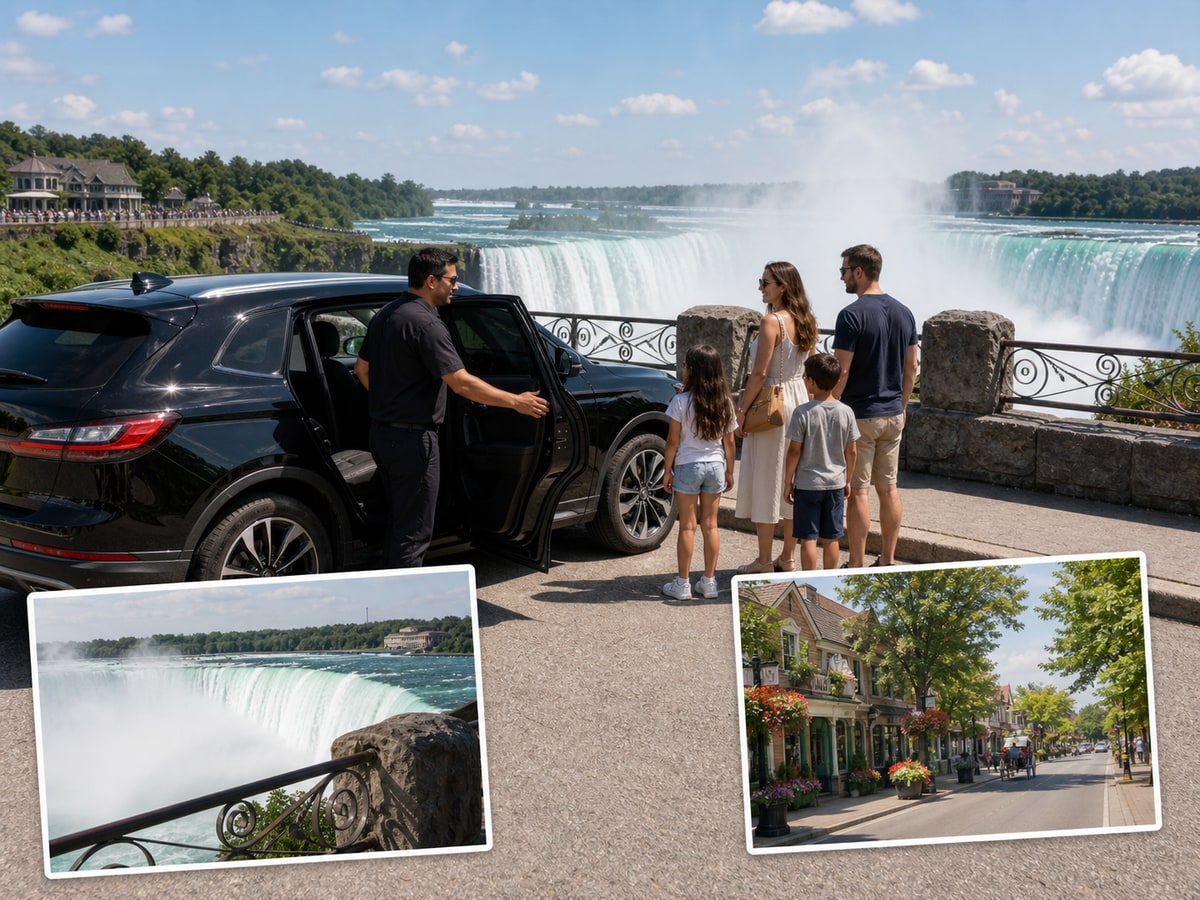
The boat tour is a highlight, but it is only one part of a visit to Niagara Falls. The Canadian side offers a long promenade with viewpoints that stretch from the brink of Horseshoe Falls down to the whirlpool. The Niagara Gorge is visible from several lookout points, and the vortex whirlpool downstream is worth a stop if you have time.
If you book a canadian niagara falls boat tour for the middle of the day, you can spend the morning exploring the falls from above and the afternoon on the water. That sequence works well because you see the falls from different perspectives - first the scale from the top, then the power from below. The contrast is striking and gives you a fuller sense of the place.
Late afternoon tours have their own appeal. The light softens, the crowds thin out, and the mist catches the low sun in a way that can create vivid rainbows. If you are staying nearby, an evening departure can be a calm way to end the day.
What to leave behind
Some items are better left onshore. Loose hats, scarves, and anything that can blow away are likely to end up in the water. The same goes for umbrellas - they are useless in the spray and can be a hazard in crowded spaces. Bags with open tops will collect water, so a dry bag or a sealed plastic bag inside your daypack is a smart precaution.
Jewellery and electronics that are not water-resistant should stay in a locker or in your car. The mist gets everywhere, and even a short ride can expose your belongings to enough moisture to cause problems. A simple ziplock bag for your phone and wallet is cheap insurance.
The boat tour is a straightforward experience, but the small choices you make before you board determine whether you come off the water grinning or shivering. Check the season, pick a time that fits your day, dress for the conditions, and know where you want to stand. Those few minutes of preparation turn a good ride into a great memory.